
Water Heater Repair
Home / Appliance Repair / Water Heater Repair
Tell us about your appliance and we’ll send a free, no-obligation quote. Prefer to talk now? Call (202) 200-8501.
(202) 200-8501
info@appliancegasket.com
Washington DC, Northern Virginia & Maryland
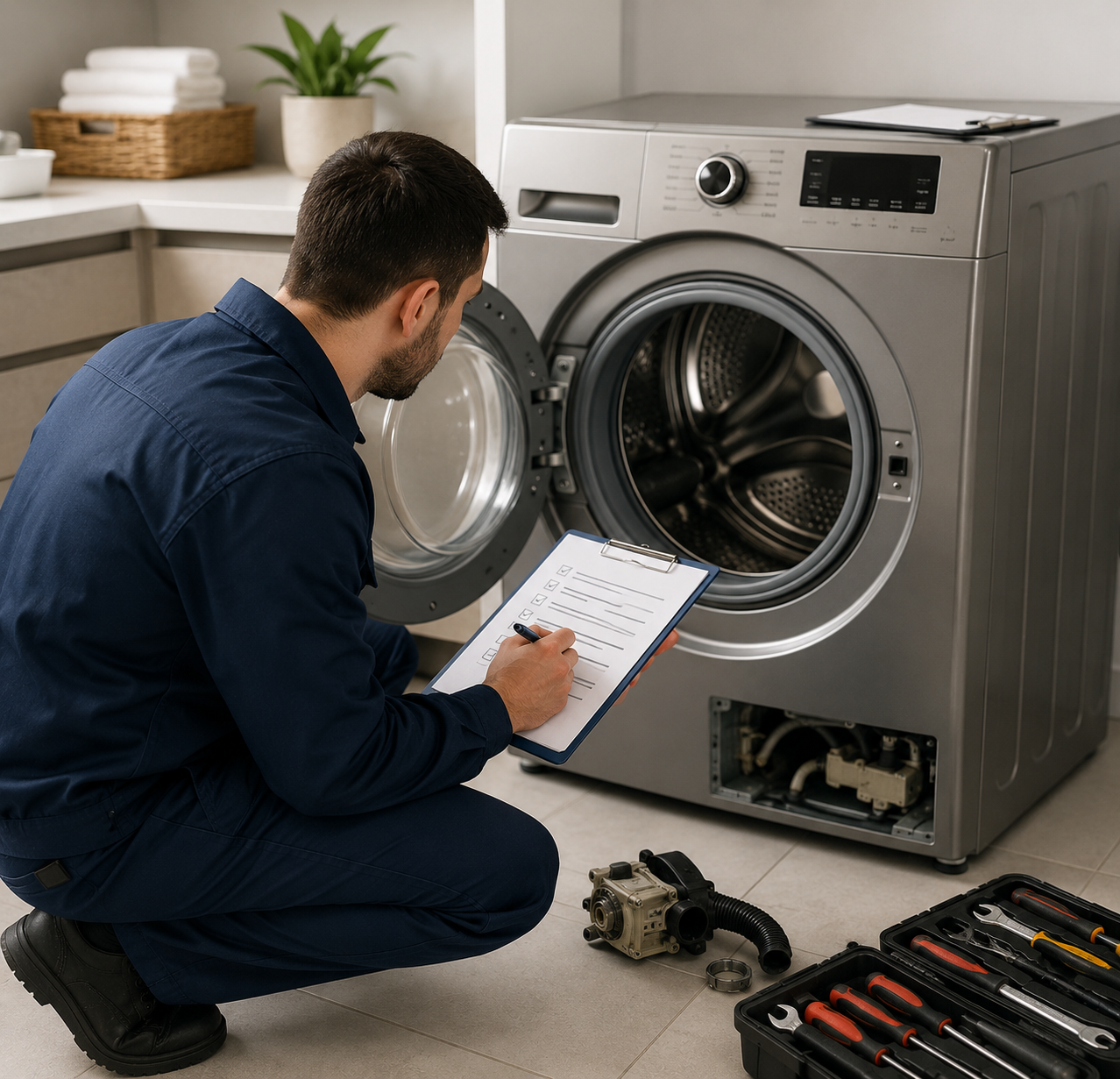
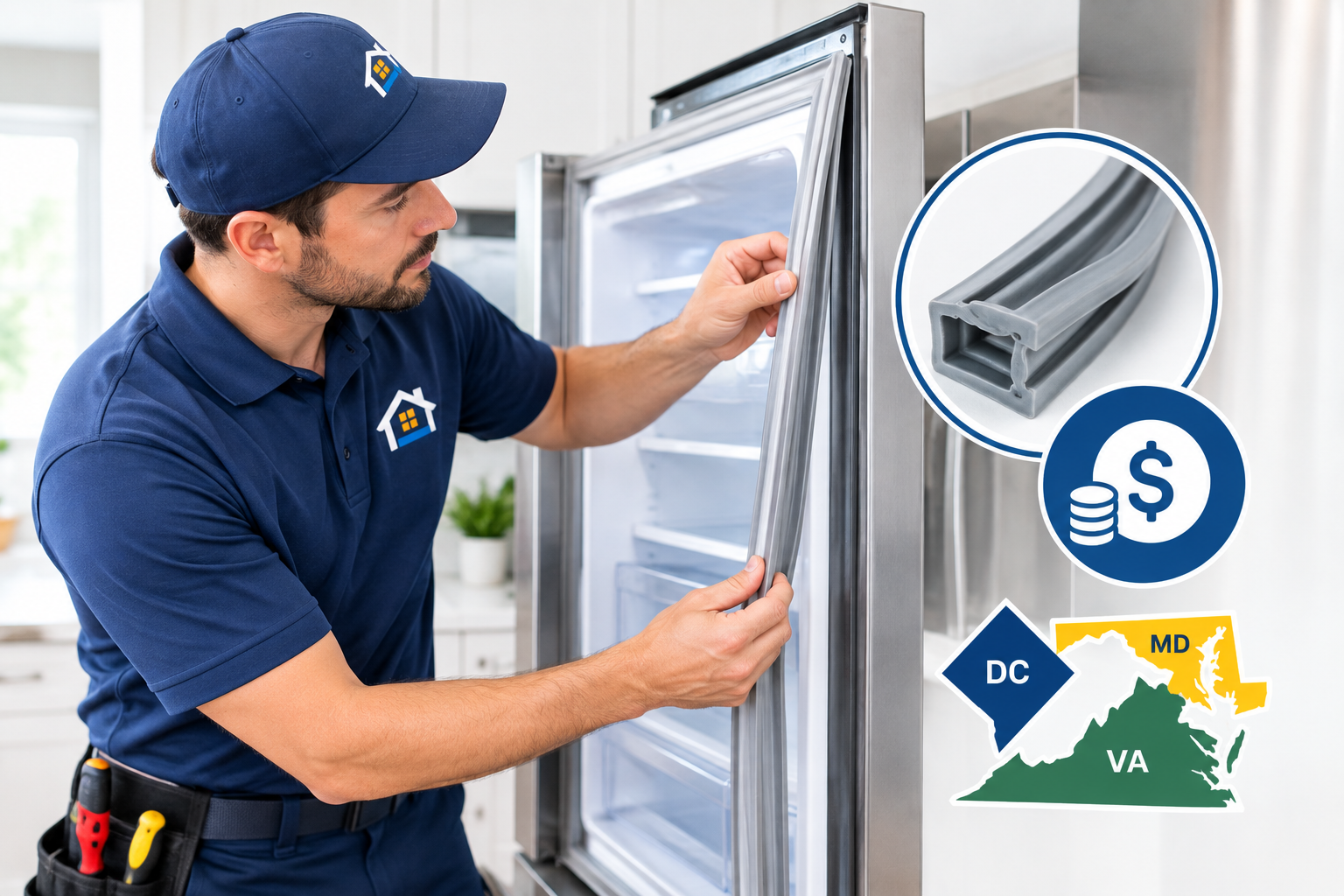
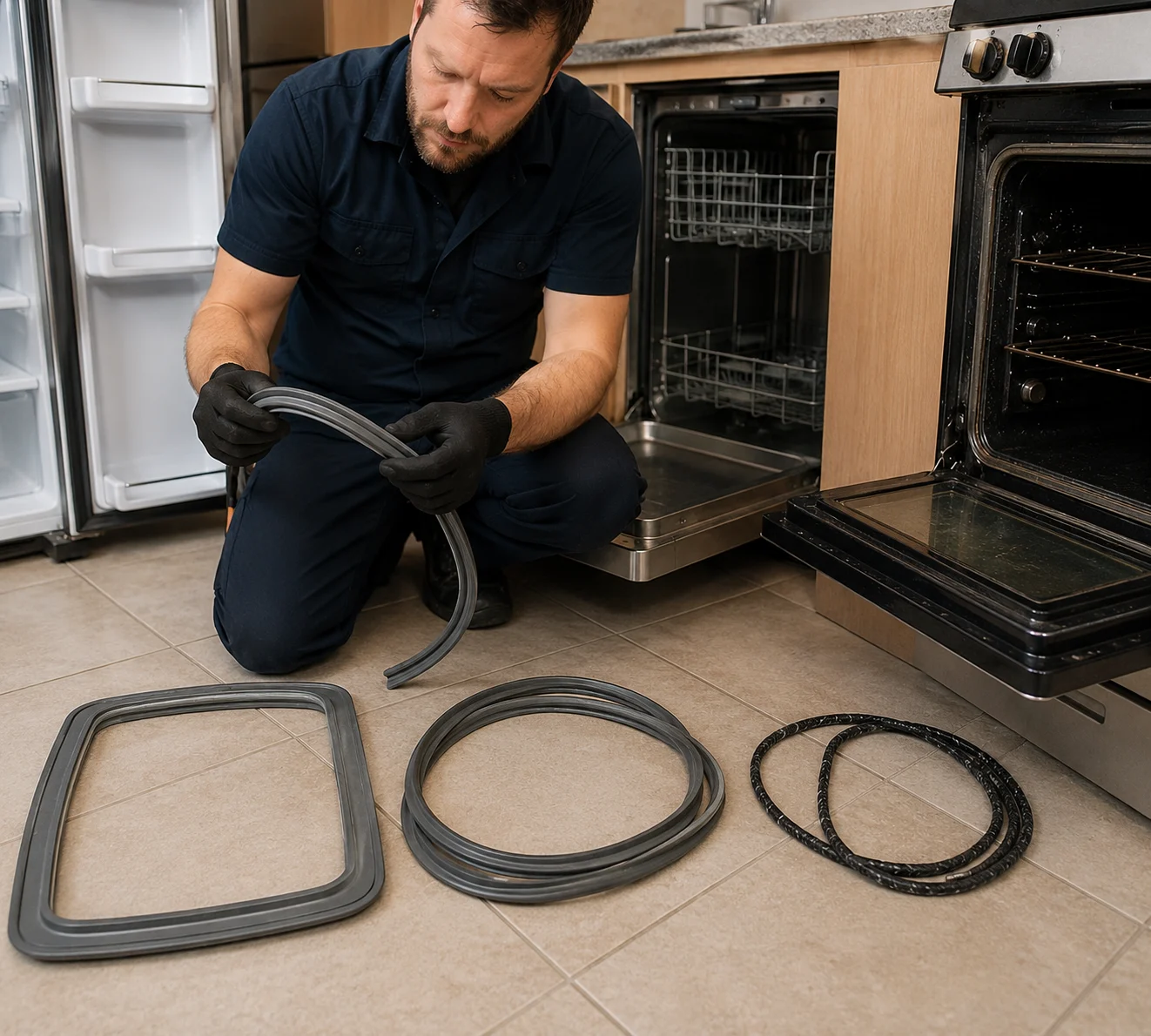
No hot water at the start of the day? A heater that keeps losing temperature, displays a fault, or leaves water around its base needs an assessment of the actual cause. Contact Appliance Gasket for water heater repair in Washington DC, Northern Virginia, and nearby Maryland suburbs.
Send your ZIP code, the heater’s brand and model, and whether it is a tank or tankless unit. We will confirm service suitability for the equipment and location before arranging an appointment.
Start with a service request that matches your equipment, location, and hot-water problem. We help clarify those details before an appointment is arranged.
We ask about tank or tankless design, fuel type, and the exact model. This lets us check service suitability instead of treating every no-hot-water call as the same job.
The source of a leak and the condition of the equipment matter. Our proposed repair scope addresses the assessed problem; a replacement or installation is a separate decision, not an automatic addition to your booking.
You can review the proposed repair and its price before authorizing the work. Ask about the diagnostic charge and applicable repair terms when you contact us.
Call or text one local contact with your model and ZIP code. We check equipment and location suitability and discuss access before confirming a visit.
A home with no hot water at any fixture presents a different problem from one shower that will not stay warm. Tell us which taps are affected, whether the change was sudden, and if the heater shows an error code.
These details help define the service visit. They do not establish a failed part by themselves, and an exact repair quote may require inspection of the heater and its connections.
The heater’s type, available supply, controls, and demand can all affect the assessment. Mention whether your household’s usage has changed or if the unit previously met your needs under the same conditions. A loss of performance should be distinguished from a system that is too small for the demand.
The location matters. Water can originate from a connection, valve, condensation, or the tank itself. A leaking storage tank presents a different repair decision from a serviceable fitting. Send a photo from a safe, dry position and describe whether the leak is active.
Noise can have more than one cause. Sediment or scale may be relevant, but the sound and the model need to be assessed before deciding on maintenance or repair. Tell us whether the noise occurs during heating, water use, or both.
Provide the full code and the exact tankless model. Water flow, controls, supply, and model-specific conditions can affect operation. Repeatedly resetting the unit without understanding the error may hide useful diagnostic information.
These systems require different service skills and parts. A standard electric storage heater should not be booked as though it were a gas tankless system. For a hybrid or heat-pump water heater, provide the full model so support can be checked specifically.
Send a photo of the label only if it is safely accessible. Also mention stairs, a confined utility room, a shared building system, or equipment located in an attic. You should not remove covers, adjust gas fittings, or move the heater to prepare for a quote.
The accepted repair scope, any additional trade work, and applicable local requirements should be clear before the appointment is confirmed.
A useful recommendation starts with the source of the problem. The decision should consider the tank’s condition, the diagnosed fault, parts support, existing warranty coverage, and whether the system meets your household’s needs.
A repair to a replaceable component is different from dealing with a failed storage tank. If replacement is the more appropriate next step, request a separate scope covering the equipment, installation, and any required work. Replacement or installation should not be assumed to be included in a repair booking.
Appliance Gasket provides a repair quote before approved work begins. Ask about the diagnostic visit charge and the applicable repair terms when arranging service.
If you smell gas or suspect a gas leak, leave the area and call 911 and your gas utility from a safe location. Do not wait for a reply to an online repair request. Avoid electrical switches and other possible ignition sources while leaving.
Stay away from water near electrical equipment. Do not plug or cap a temperature-and-pressure relief outlet or attempt to alter safety controls. Describe an active leak when calling so the immediate concern is understood.
For a routine no-hot-water problem without an immediate hazard, contact us with the heater details to discuss service availability.
Contact us for the specific ZIP code in Washington DC, Northern Virginia, or the nearby Maryland suburbs. Water-heater service suitability must be confirmed for the equipment and jurisdiction; appliance service elsewhere in the region does not automatically establish coverage for every water-heater job.
For apartments, condos, and rental homes, provide the property manager’s approval and access arrangements where needed. If the heater serves several residences, tell us before booking a household repair appointment.
Check the manufacturer’s terms and contact its warranty team before authorizing a paid repair. Have the model, serial number, and purchase or installation records ready. Parts coverage, labor coverage, and the required claim process can differ; an independent appointment is not automatically a covered warranty visit.
No. Flushing is a maintenance procedure, while a repair addresses a diagnosed fault. Maintenance may be relevant to some complaints, but it should not be assumed to resolve a failed component or a damaged tank. Explain the symptom before requesting a particular procedure.
Follow the maintenance schedule for your exact model. Water conditions, equipment type, and usage can affect the required tasks and frequency. Send any maintenance records with your service inquiry; do not assume that a tankless system and a storage heater need identical care.
That pattern is useful information, but it does not establish the cause by itself. Tell us whether all hot-water taps are affected and whether plumbing work or a supply interruption happened recently. Water quality or plumbing concerns may require assessment beyond the heater.
Do not use a higher setting as a substitute for finding the cause. Hotter water increases scalding risk, and changing the setting may not solve a performance fault. Follow your model’s safety instructions and explain when the water turns cold.
That depends on the repair and the heater’s design. A storage tank needs time to heat its contents; a tankless system works differently. Ask for the expected recovery and operating checks for your model before relying on normal hot-water use.
Keep the route to the heater accessible and gather the model details, fault photos, and previous service records. Do not remove covers, move the equipment, or handle wet electrical areas. Tell us in advance if safe access is restricted.
Cold showers and interrupted routines deserve a clear next step. Call Appliance Gasket at (202) 200-8501 with your ZIP code and heater model. Tell us whether you have no hot water, changing temperatures, or a visible leak so we can confirm service suitability and discuss appointment options.
You do not need to identify the failed part before calling. Start with what changed; review the proposed repair and quote before approving the work. For a suspected gas leak or immediate danger, use the emergency guidance above instead of waiting for a service response.
Cooktop Repair
Email us : info@appliancegasket.com
Call us on : (202) 200-8501